Exploring the Factors That Determine the Severity of a Head Injury
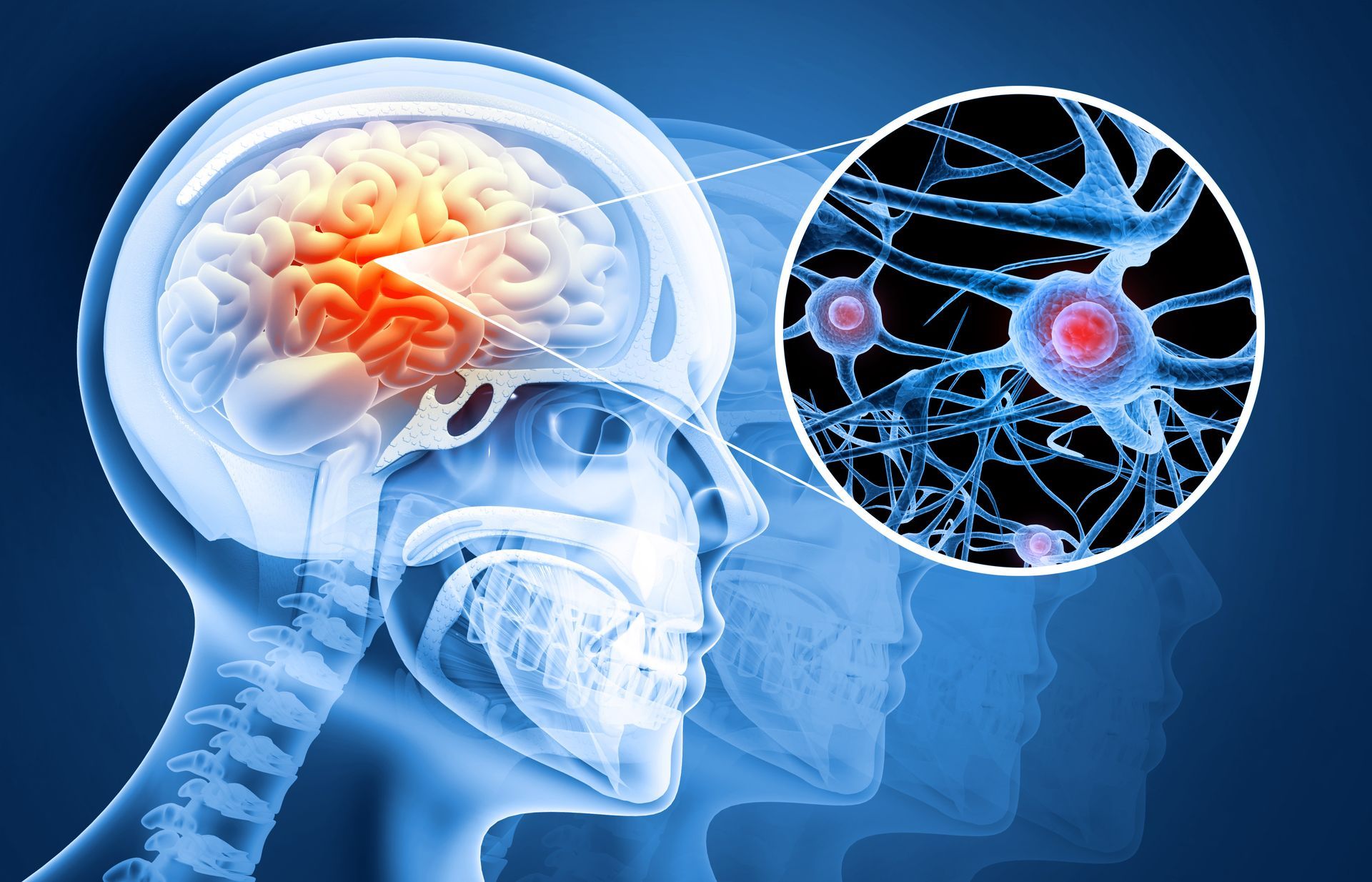
A head injury should never be taken lightly. Even if you think you’re fine, your injury could have potentially fatal consequences without prompt and decisive intervention. Whether you have a minor concussion or something much more serious can be a matter of life or death, which is why you should receive treatment from medical professionals as quickly as possible after suffering any type of head injury.
Factors and Symptoms Used to Gauge the Severity of Brain Injuries
Mechanism of Injury
To put it simply, how you suffered the brain injury matters. The most frequent cause of brain injuries – particularly severe brain injuries – is traffic accidents. In one study, traffic accidents accounted for 37 percent of TBI cases, with the second-leading cause being falls from great heights at 24 percent. Understanding the specific root of your injury will help medical professionals clearly determine the type of damage done to your brain and its severity.
GCS Score
The Glasgow Coma Scale (GCS) assesses a person’s functioning capacities after a brain injury, helping medical professionals gauge their head trauma. Physicians test their ability to speak and whether they can communicate coherently, their ability to open their eyes and their ability to move their arms and legs easily and with intent. After conducting these tests, doctors tally up the total score on a range of three to 15, with a lower score indicating a more serious injury.
Loss of Consciousness
People may also experience a range of consciousness after a brain injury[1] . For example, they may be unresponsive but show slight awareness in their surroundings (i.e., a minimally conscious state) or – vice versa – remain unaware but respond to certain stimuli by opening their eyes, making sounds or moving (i.e., a vegetative state).
The presence of amnesia following an injury can also help determine the degree of damage present. Again, referring to the GCS, memory loss lasting less than 24 hours is considered mild, while anything less than seven days is moderate. Any period beyond that suggests a severe brain injury that might permanently affect their ability to retain their old memories or make new ones.
Neurological Symptoms
Neurological symptoms are indicative of a moderate or severe brain injury. Confusion, agitation and slurred speech are typical of a moderate brain injury, while dilution of the pupils, coordination issues, seizures or muscle weakness are signs of severe damage. Changes in sensory perception, such as vision problems, hearing loss or altered taste and smell, can also occur with both moderate and severe brain injuries.
Abnormalities on Imaging Tests
Imaging tests, such as CT scans, MRIs and PET scans[2] , are vital tools in assessing the level of head damage, as they can provide a visual representation of the injury. Some of the brain abnormalities you might expect to find through these scans – depending on the injury’s severity – include:
- Fractures in the skull
- Bleeding
- Blood clots
- Bruised brain tissue
- Brain tissue swelling
- Diffuse axonal injury
- Cerebral edema
- Ischemia
- Herniation
- Blood-brain barrier impairment
- Neuroinflammation
- Demyelination
- Neurodegeneration
The results from these tests can also serve as crucial pieces of evidence in a personal injury case. They can show the gravity of a person’s injury in explicit detail.
Doctors can deduce immediate and long-term ramifications based on analysis of these results, like how long the injury may keep you out of work or how an injury may impact your quality of life. During insurance company negotiations or litigation, diagnostic test results and expert testimony from doctors may play a vital role in maximizing your recovery.
Get the Zealous Legal Representation You Need to Secure Fair Compensation for Your Brain Injury
At the Law Office of Rickard, Drew & Nix, we’ll develop a legal strategy to increase your chances of securing the ideal outcome for your claim. Our personal injury attorneys will aggressively pursue maximum compensation on your behalf while ensuring you’re informed every step of the way, so you never feel confused about your own case.
To receive a free case consultation, call (404) 588-1001 or message us today.

Attorney Jessica Nix, Managing Partner
Jessica Nix is Managing Partner and a Personal Injury Attorney at the Law Office of Rickard, Drew & Nix in Atlanta, with more than 10 years of experience representing injury victims in courts across Metro Atlanta. She graduated cum laude from the University of Georgia School of Law, where she served as an editor of the Journal of Intellectual Property Law. Jessica is admitted to the State Bar of Georgia, is a member of the Georgia Trial Lawyers Association, and was named a Georgia Super Lawyers Rising Star for Personal Injury from 2017 to 2019. To speak with the Law Office of Rickard, Drew & Nix, schedule a free consultation today.