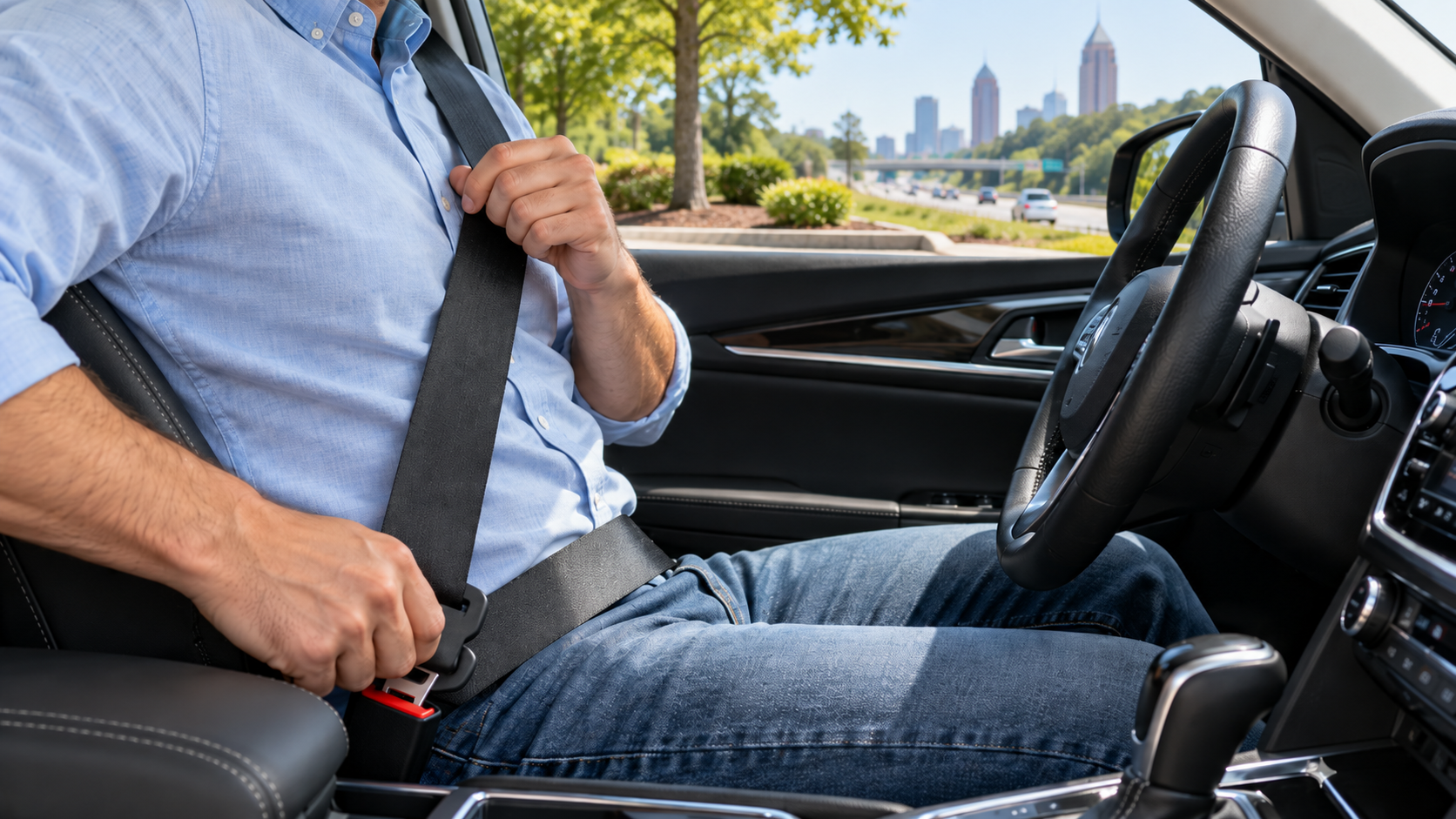
What Makes Truck Safety Crucial in Atlanta?

Jessica Nix • March 18, 2025


With thousands of vehicles on Atlanta's roads at all hours of the day and night, driving here can be tricky, not to mention hazardous. Add to that the presence of big rig trucks barreling through the city on their way somewhere else. These road conditions make truck safety paramount for the preservation of all drivers just trying to reach their destinations. Without vigilance, the accidents we all fear most can happen.


Truck safety is a pressing concern in Atlanta, where truck accidents can lead to serious injuries and life-altering consequences. This article will explore the importance of truck safety, highlight key safety features of trucks, and provide strategies for both truck drivers and other road users to interact safely on the roads. Understanding these aspects can help readers recognize risks and improve safety measures, ultimately reducing the likelihood of accidents. Addressing these concerns will guide those affected by truck accidents in assessing their truck accident claim options so they are informed and prepared.


Understanding the Importance of Truck Safety in Atlanta


Analyzing truck accident statistics in Atlanta reveals significant safety concerns that affect the community. The role of trucks in Atlanta's economy is vital, but their presence also brings challenges, particularly at intersections where accidents frequently occur. Identifying common causes of truck accidents, including instances of driving under the influence, is essential for understanding truck accident cases and promoting safety for all road users.


Analyzing Truck Accident Statistics in Atlanta


Truck accidents in Atlanta present a significant risk to both drivers and pedestrians, underscoring the need for heightened awareness regarding safety. Analyzing recent data shows a troubling number of incidents attributed to driver distraction and vehicle failure, highlighting the persistent hazards on the road. These factors emphasize the importance of understanding what contributes to accidents and the necessity of implementing effective prevention strategies.


Another critical aspect is product liability, particularly concerning the maintenance and functionality of trucks. If a truck's equipment fails due to manufacturer defects, the repercussions can be severe, leading to catastrophic accidents. Addressing these issues through rigorous safety measures and regular inspections can greatly reduce risks and preserve safer roads for everyone in Atlanta.


The Role of Trucks in Atlanta's Economy


Trucks play a significant role in Atlanta's economy by facilitating the transport of goods across the region. This movement supports various sectors, from retail to manufacturing, making sure products reach consumers efficiently. However, the increased traffic from heavy trucks also heightens the risk of truck accidents, which can result in serious personal injury and pain for those involved, including innocent motorists and pedestrians.


When truck accidents occur, the implications extend beyond individual consequences; they can disrupt local commerce and transportation. Delays in delivery can lead to financial losses for businesses and create shortages in essential goods. Understanding the economic impact of truck safety is vital, as preventing accidents not only protects lives but also maintains the flow of commerce, minimizing the risks associated with motor vehicle traffic in Atlanta.


Identifying Common Causes of Truck Accidents


Identifying common causes of truck accidents is essential for improving safety in Atlanta. One prevalent factor is driver fatigue, which significantly impacts a truck driver’s ability to maintain attention and react appropriately in situations requiring quick decision-making. When a driver is too tired, their brain may not function at optimal levels, leading to impaired judgment and slower responses, increasing the likelihood of collisions.


Another critical cause is drunk driving, which poses a severe risk on the roads. Alcohol impairs a driver’s coordination and reaction time, making it difficult to manage the control of heavy vehicles. Furthermore, issues with brake failure, often resulting from inadequate maintenance, can lead to devastating accidents. By addressing these factors through stricter regulations and ongoing education, the safety of truck transportation can be significantly improved in urban areas like Atlanta.


Recognizing Key Safety Features of Trucks


Advanced safety technology is essential in reducing the risks associated with truck accidents in Atlanta. Regular maintenance makes sure trucks function properly, minimizing the likelihood of breakdowns that can lead to serious incidents. Additionally, understanding the differences between commercial and passenger vehicle safety is critical, especially when considering how injured parties may seek damages after an Atlanta car accident.


The Impact of Advanced Safety Technology


Advanced safety technology plays a crucial role in reducing the risk of truck accidents in Atlanta. Features such as collision warning systems and automatic emergency braking help prevent serious incidents by alerting drivers to potential dangers and assisting with timely stops. According to studies, implementing these technologies has shown a significant decline in accidents, directly contributing to the safety of both truck drivers and other road users in the city.


The Georgia Department of Transportation emphasizes the need for strict adherence to safety regulations and the adoption of such advancements. With a focus on driver fatigue, especially due to lack of sleep, these technologies help drivers remain alert, significantly reducing the potential for accidents personal injury. As legal frameworks continue to evolve, integrating advanced safety features becomes essential for compliance with updated laws that protect everyone on the road.


Understanding the Importance of Regular Maintenance


Regular maintenance is crucial for truck safety in Atlanta. Proper upkeep of vehicles helps prevent mechanical failures that can lead to severe car accidents and injuries. By adhering to maintenance schedules and checking essential components such as brakes and tires, trucking companies can significantly reduce the risk of accidents, particularly in high-traffic areas where behaviors like speeding can exacerbate the dangers on the road.


In a truck accident case, the lack of maintenance can serve as a key factor in determining fault and liability. When equipment malfunctions due to neglect, it can lead to disastrous outcomes, affecting not only the truck driver but also innocent motorists and pedestrians. By prioritizing regular vehicle inspections and maintenance, trucking companies can enhance safety and protect the well-being of all road users in Atlanta.


Differentiating Between Commercial and Personal Vehicle Safety


Understanding the distinctions between commercial and personal vehicle safety is essential in the context of truck transportation in Atlanta. Commercial vehicles, such as trucks, require stricter safety standards due to their size and the potential for significant damage in traffic accidents. These vehicles often undergo regular safety inspections and must comply with federal regulations, while personal vehicles generally have more lenient safety requirements, leading to different liability considerations when accidents occur. In cases where commercial trucks are involved in accidents, having a knowledgeable lawyer can help victims overcome legal issues related to premises liability and recovery for damages.


Moreover, the implications of these safety differences extend to the aftermath of accidents. Victims of traffic accidents involving commercial vehicles may face unique challenges, including dealing with large trucking companies and their insurance providers. These companies often have extensive resources to contest claims, making it crucial for those affected to pursue a free case evaluation with an experienced attorney. This step can clarify legal rights and options, empowering victims to seek the justice they deserve after an accident involving a commercial truck.


Strategies for Truck Drivers to Ensure Road Safety


Implementing defensive driving techniques is essential for commercial vehicle operators to enhance safety on Atlanta roads. Additionally, managing fatigue and staying alert makes sure drivers remain responsive during long hauls. Proper load securement is crucial to prevent cargo shifts that may lead to accidents. These strategies collectively contribute to minimizing the risks associated with truck accidents, protecting both drivers and pedestrians from potential atlanta personal injury incidents.


Implementing Defensive Driving Techniques


Implementing defensive driving techniques is vital for truck drivers to operate on the bustling roads of Atlanta safely. Maintaining awareness of the vehicle’s weight limits and proper lane changes can significantly reduce the risks associated with accidents. When a truck driver anticipates potential hazards and maintains a safe distance from other vehicles, they are better equipped to respond effectively to sudden changes in traffic flow.


Moreover, avoiding drowsy driving is crucial for enhancing safety on the road. Truck drivers should take regular breaks during long hauls to mitigate fatigue, which can impair reaction times and decision-making abilities. Employers in the trucking industry must prioritize these safe driving practices, which emphasize responsible behavior to secure the well-being of both drivers and other road users in Atlanta.


Managing Fatigue and Staying Alert


Managing fatigue is essential for truck drivers operating on the highways around Atlanta. Long hours on the road can significantly impair a driver's ability to maintain focus, especially in adverse conditions such as snow or poor visibility. Truck operators must establish a schedule that allows for adequate rest and take regular breaks to combat fatigue, which can prevent serious accidents involving pedestrians and other motorists.


In addition, staying alert while driving a tractor-trailer is crucial for safety. Drivers should utilize techniques such as remaining aware of their surroundings and adjusting their speed according to weather conditions. By prioritizing awareness and vigilance, truck drivers can better respond to unexpected obstacles and reduce the risk of collisions, ultimately contributing to safer streets for everyone in Atlanta.


Maintaining Proper Load Securement


Maintaining proper load securement is a critical safety measure for truck drivers traveling the busy roads of Atlanta. Secure loads can prevent shifting during transit, which is especially important in areas prone to traffic congestion. Drivers should regularly perform load inspections, making sure cargo is evenly distributed and properly secured, thus reducing the risk of accidents that could lead to serious injuries, including spinal cord damage for occupants of smaller vehicles.


Effective load securement not only enhances safety but also supports defensive driving practices. When truck drivers know their cargo is secure, they can focus more on the road and less on the potential hazards posed by shifting loads. Utilizing appropriate straps and binders, and adhering to guidelines can significantly decrease the chances of incidents and enhance overall road safety in greater Atlanta, making it a smoother experience for all motorists.


Tips for Other Road Users to Interact Safely With Trucks


Understanding how to interact safely with trucks is essential for all road users in Atlanta. Key areas of focus include knowing the blind spots around trucks to avoid accidents, staying clear during turns and maneuvers to prevent truck crashes, and respecting safe following distances to minimize risks. By adhering to these practices, individuals can help reduce potential pain and suffering resulting from truck incidents while supporting compliance with guidelines set by the Federal Motor Carrier Safety Administration.


Knowing the Blind Spots Around Trucks


Understanding the blind spots around trucks is vital for all road users in Atlanta. Truck drivers have significantly larger blind spots compared to smaller vehicles, especially on the sides and behind the truck. This lack of visibility can lead to dangerous situations, particularly in adverse weather conditions like fog or during moments of distracted driving. By remaining aware of these blind spots and avoiding tailgating, other drivers can help prevent accidents and facilitate safer interactions on the road.


Moreover, recognizing the importance of distance is critical for preventing accidents. Maintaining a safe following distance allows for adequate reaction time, especially when the truck driver may need to change lanes or make sudden stops. Victims of negligence in truck accidents often seek legal counsel from an experienced attorney to address their concerns. Understanding how to drive around trucks can significantly reduce the risk of collisions and enhance road safety for everyone in the community.


Staying Clear During Turns and Maneuvers


During turns and maneuvers, staying clear of trucks is essential for road safety in Atlanta. Trucks require more space to navigate corners due to their size and longer stopping distances. When approaching intersections or making turns, motorists must remain vigilant, making sure they maintain a safe distance to avoid potential accidents caused by sudden movements from large vehicles.


Moreover, truck drivers have limited visibility during turns, which increases the risk of collisions with smaller vehicles. For example, when a truck is turning right, a smaller car may accidentally enter the truck's blind spot, leading to a dangerous situation. By being aware of these dynamics and keeping a safe distance, other road users can play a crucial role in preventing truck-related accidents and enhancing overall traffic safety in Atlanta.


Respecting Safe Following Distances


Respecting safe following distances is crucial for maintaining safety around trucks in Atlanta. Truck drivers require a longer stopping distance due to the weight and size of their vehicles, making it vital for other road users to keep ample space. For instance, when a passenger vehicle tailgates a truck, it reduces their reaction time to unexpected situations, significantly increasing the risk of collisions.


Legal Framework Supporting Truck Safety in Atlanta


The legal framework supporting truck safety in Atlanta is essential for maintaining road safety. This framework encompasses federal and state regulations that govern truck operations, the significance of commercial driver licensing, and the concepts of responsibility in trucking accidents. Understanding these factors contributes to the broader discussion of truck safety and helps to clarify the necessary measures for preventing accidents.


Overview of Federal and State Regulations


The legal framework governing truck safety in Atlanta encompasses a blend of federal and state regulations designed to ensure safe operation and reduce accident risks. Federal laws, such as those set by the Federal Motor Carrier Safety Administration (FMCSA), outline standards for commercial driver qualifications, vehicle maintenance, and hours of service to prevent fatigue. These regulations play a pivotal role in creating safer road conditions for both truck operators and other motorists.


In Georgia, state regulations complement federal guidelines, focusing on local traffic laws and specific safety measures required for trucks operating within the city. Compliance with these regulatory frameworks is critical, as they mandate regular vehicle inspections and adherence to safety protocols. This cohesive legal structure encourages accountability among trucking companies, thereby minimizing risks associated with truck accidents and enhancing overall safety in Atlanta’s bustling transportation network.


The Importance of Commercial Driver Licensing


Commercial driver licensing (CDL) is a critical component in truck safety in Atlanta. This license requires drivers to demonstrate their ability to operate large vehicles safely and comply with specific regulations governing truck operations. By enforcing strict requirements for obtaining a CDL, including knowledge tests and practical driving assessments, the legal framework helps to minimize the risks associated with inexperienced or unqualified drivers on the road.


Moreover, commercial driver licensing plays a vital role in promoting accountability among truck operators. Licensed drivers must adhere to ongoing training and safety standards, which are essential for maintaining high levels of operational safety. This consistent focus on training can help prevent accidents and contribute to the overall safety of Atlanta's roadways, benefitting all road users and reducing potential legal liabilities for trucking companies.


Understanding Responsibility in Trucking Accidents


Responsibility in trucking accidents generally falls on several parties, including the truck driver, trucking company, and even manufacturers of truck components. If a truck driver fails to adhere to safety regulations or operates the vehicle recklessly, they can be held liable for any resulting accidents. Likewise, trucking companies have a duty to make sure their drivers are adequately trained and that their vehicles are well-maintained, which is essential for preventing accidents and protecting community safety in Atlanta.


Legal responsibility can also involve determining fault among different parties after an accident. For example, if a truck accident occurs due to a mechanical failure caused by poor maintenance, the trucking company may be accountable alongside the driver. Understanding these layers of responsibility not only aids in accident resolution but also emphasizes the need for adherence to safety protocols, ultimately contributing to safer roads for all individuals in Atlanta.


Community Programs Promoting Truck Safety


Local initiatives for education and awareness play a vital role in enhancing truck safety in Atlanta. Collaborations between government entities and trucking companies work to establish safety standards and promote responsible driving practices. Engaging the public through safety campaigns increases community involvement and empowers individuals to contribute to safer roads. These strategies collectively highlight the importance of truck safety and its impact on the well-being of all road users.


Local Initiatives for Education and Awareness


Local initiatives for education and awareness in Atlanta focus on promoting truck safety through community outreach programs designed to inform drivers about the unique challenges associated with large commercial vehicles. These programs often involve workshops and seminars that educate motorists on managing truck blind spots, understanding safe following distances, and recognizing the importance of maintaining a proper distance during turns. By raising awareness, these efforts aim to reduce the likelihood of accidents and create a safer roadway environment for all users.


Furthermore, partnerships between government agencies and trucking organizations facilitate the development of public safety campaigns that target both drivers and pedestrians. These campaigns often utilize various media platforms to disseminate vital information about safe driving practices and the responsibilities of truck operators. By engaging the community in discussions about truck safety, these initiatives empower individuals to make informed choices while on the road, ultimately creating a culture of safety that benefits everyone in Atlanta.


Collaborations Between Government and Trucking Companies


Collaborations between government entities and trucking companies in Atlanta are essential for safer roads. These partnerships facilitate the development of safety initiatives aimed at educating drivers about the specific challenges associated with large commercial vehicles. By working together, they establish comprehensive training programs that enhance the skills of truck operators and promote adherence to safety regulations, ultimately benefiting all road users.


Furthermore, these collaborations allow for the sharing of resources and best practices, reinforcing the commitment to truck safety in the community. Government agencies can support trucking companies by providing valuable data on accident trends and safety compliance, enabling targeted interventions. This unified approach not only encourages responsible driving practices but also helps promote safety, which can significantly reduce the risk of truck-related incidents in Atlanta.


Engaging the Public in Safety Campaigns


Engaging the public in safety campaigns is essential for enhancing truck safety throughout Atlanta. Local government and community organizations often collaborate to create informative outreach programs that educate residents about the risks associated with large vehicles. These campaigns typically use social media, community events, and educational workshops to promote awareness of safe practices when interacting with trucks, ultimately aiming to reduce accidents and protect all road users.


By actively involving the community in discussions about truck safety, these campaigns empower individuals to make informed decisions while driving. For instance, initiatives that focus on recognizing a truck's blind spots and understanding safe following distances provide practical knowledge that can be applied daily. Such proactive measures contribute to safer road experiences for pedestrians, motorists, and truck drivers alike, reinforcing the importance of safety measures in the vibrant urban landscape of Atlanta.


By Jessica Nix December 10, 2025
A serious car accident can turn a normal day in Sandy Springs into a stressful medical and financial struggle. Seat belts save lives every day on roads like Roswell Road, Hammond Drive, and GA-400. But the same restraint that prevents life-threatening injuries can also cause harm. Many people walk away from a crash with a dark bruise across the chest or abdomen, soreness near the hip bones, or delayed abdominal pain that seems to show up out of nowhere. These injuries fall under a real medical condition called seat belt syndrome. It refers to a group of external and internal injuries caused by the force of a seat belt during a collision. Some injuries are minor. Others can be severe and require immediate care. If you live in Sandy Springs or the Atlanta metro area, it is important to understand the signs of seat belt syndrome, what delayed symptoms look like, and when you should speak with a car accident injury lawyer about your legal options. What Is Seat Belt Syndrome? Seat belt syndrome describes the combination of bruising, internal injuries, and soft-tissue trauma caused by the seat belt during a collision. The belt holds the body back as the vehicle stops suddenly. That force protects the head and spine, but it can also injure the chest, abdomen, hips, and organs. Doctors diagnose seat belt syndrome when they see: A clear seatbelt bruise Abdominal tenderness Chest or rib pain Damage to internal organs Spinal or soft tissue strain A seat belt bruise is one of the main indicators. It often shows where the belt caught the body during impact. Why Seat Belt Syndrome Happens During a car accident, the seat belt locks to keep you from being thrown forward. Your torso continues moving until the belt stops it. This rapid stop produces strong compression across the chest and abdomen. Crashes on I-285, Roswell Road, or SR 400—where speeds are often high—can put even more pressure on the belt and increase injury severity. Three factors affect seat belt injuries: 1. Speed of the crash More speed means more force on the belt. 2. Type of impact Frontal crashes create the highest risk of seat belt injury to the lower abdomen. 3. Seat belt position A lap belt that sits too high increases risk of intestinal tears. A shoulder belt crossing too close to the neck can cause friction burns or clavicle strain. Common Types of Seat Belt Injuries Seat belt injuries range from bruises to serious internal damage. 1. Seat Belt Bruise A seat belt bruise after a car accident is a dark mark along the chest, abdomen, or hip. It may look minor but often signals potential internal injury. 2. Seat Belt Injury to the Lower Abdomen A high-riding lap belt may compress the stomach and intestines. This can cause: Bowel tears Organ bruising Internal bleeding Bladder injury Symptoms may appear hours or days later, especially in delayed seat belt syndrome cases. 3. Rib and Chest Injuries You may experience: Bruised ribs Fractured ribs Sternum pain Shoulder strain Patients often report trouble taking deep breaths. 4. Seat Belt Burn A seat belt burn happens when friction causes a scrape. These injuries typically heal with basic wound care. 5. Internal Organ Injuries Seat belt syndrome can involve serious internal damage, including: Spleen rupture Liver laceration Kidney injury Internal bleeding These injuries require emergency evaluation. 6. Neck and Back Injuries Neck strain, shoulder pain, and spinal misalignment can occur from the rapid forward motion of the body. Delayed Seat Belt Syndrome Not all symptoms appear immediately. After a collision in Sandy Springs or Atlanta, many people feel fine at first due to adrenaline. Symptoms that may appear later include: Abdominal pain Nausea Bruising that deepens Stiff or painful ribs Swelling along the seat belt path Lightheadedness These delayed symptoms can indicate internal injuries. Seek medical care if pain or bruising worsens. How Doctors Diagnose Seat Belt Syndrome Doctors will evaluate: Location and depth of bruising Complaints of abdominal or chest pain Internal bleeding signs Imaging results such as CT scans or X-rays Soft tissue and spinal injuries A seat belt bruise often prompts further testing because it is a strong indicator of deeper trauma. Seat Belt Syndrome Treatment Treatment depends on the severity of the injury. Mild Injuries Rest Ice Over-the-counter pain medication Monitoring for progression Moderate Injuries Prescription pain medication Breathing exercises for rib injuries Physical therapy Follow-up imaging Severe Internal Injuries Emergency surgery Hospital monitoring Blood transfusion Long-term rehabilitation Seat Belt Burn Care Cleaning the abrasion Antibiotic ointment Bandaging Risk Factors for Seat Belt Injuries You may face a higher risk of seat belt syndrome if: You wear the lap belt too high You sit slouched or leaning forward The crash happens at high speed You are a child not in proper restraints Airbags fail or deploy late Proper belt positioning reduces risk but does not eliminate it. Seat Belt Syndrome in Children Children are especially vulnerable because their hips, spine, and organs are still developing. A lap belt that rides up can cause: Spinal fractures Internal organ injury Intestinal tears Kids in Sandy Springs should always use appropriate booster seats to keep the lap belt low across the hips. When to Seek Medical Care in Sandy Springs Get emergency care if you notice: Severe or worsening abdominal pain A large seatbelt bruise Trouble breathing Dizziness or fainting Vomiting Blood in urine or stool Sharp chest or rib pain Internal injuries may not appear right away but can worsen quickly. Legal Options for Seat Belt Syndrome in Sandy Springs If someone else caused the accident that injured you, you may be able to seek compensation. Seat belt injuries often require: Imaging and diagnostic testing Specialist care Surgery Time away from work Long-term treatment A car accident injury lawyer in Sandy Springs can help you: Document your injuries Communicate with insurance companies Seek compensation for medical bills Recover lost wages Pursue pain and suffering damages You should not handle these claims alone. Insurance companies often downplay seat belt injuries as “minor bruising,” even when internal injuries are present. A skilled personal injury lawyer will protect your rights and help you seek fair compensation. FAQ: Seat Belt Syndrome 1. What is seat belt syndrome? Seat belt syndrome is a group of injuries caused by seat belt force during a crash. It includes bruising, abdominal injuries, organ damage, and spinal strain. 2. Is a seat belt bruise serious? A seat belt bruise can be a sign of deeper trauma. You should always get checked by a doctor. 3. What is delayed seat belt syndrome? Delayed symptoms appear hours or days after the crash, including abdominal pain, swelling, and nausea. 4. How are seat belt injuries treated? Treatment ranges from rest and pain management to surgery for severe internal injuries. 5. Can I file a claim if I suffer seat belt injuries? Yes. If the other driver caused the crash, you may qualify for compensation. Talk to a Sandy Springs Car Accident Injury Lawyer Today If you suffered a seat belt injury from a car accident in Sandy Springs or the Atlanta metro area, you deserve answers and legal support. Seat belt syndrome can lead to serious medical issues that require prompt treatment and fair compensation. Contact RDN Legal today for a free consultation. Our team will review your case, explain your rights, and help you pursue the recovery you need to move forward.
By Jessica Nix December 8, 2025
Hiring an affordable attorney in Atlanta for your accident injury is a daunting task for victims already dealing with pain, property loss, bills, and loss of income. But making sure your personal injury attorney is equipped to tackle the challenges of claims and possibly a lawsuit is paramount. Without competent legal representation, you could lose thousands in compensation, and you only have one chance to get it. Confused by how much a car accident lawyer in Atlanta will cost? Understanding attorney fees is critical to managing your financial risk after a collision, and this guide covers everything from contingency fee agreements to hidden expenses. Readers will learn what contingency fees mean in Georgia, what additional costs to expect, how complexity and experience influence rates, how to assess value for money, alternative payment models, and why RDN Legal delivers transparent, cost-effective support. What Are Contingency Fees for Atlanta Car Accident Lawyers? A contingency fee agreement in Georgia is a payment model in which legal fees depend on a successful outcome, aligning the attorney's interests with yours while eliminating upfront costs. Under this system, the lawyer advances all work and only collects a percentage of the final settlement, providing risk reduction and access to representation. For example, if you recover $30,000, a 33.3% fee results in $10,000 paid only after you win. What Is a Contingency Fee Agreement in Georgia? A contingency fee agreement in Georgia defines the lawyer’s payment as a portion of your award, eliminating hourly billing and upfront retainers. This structure means the attorney bears initial costs and pursues maximum compensation on your behalf. By linking fees to results, it provides clear incentives: the more you recover, the more both parties gain from a well-built case. How Are Contingency Fees Calculated from Your Settlement? Contingency fees are typically calculated in three steps: Settlement Determination: The total recovery amount is confirmed after negotiations or trial. Fee Percentage Application: The agreed percentage (e.g., 33.3% or 40%) is applied to that amount. Deduction of Case Expenses: Agreed-upon advances, such as court filing fees, are credited before distributing net proceeds. Each calculation step impacts your net recovery, so a precise formula in your fee agreement prevents surprises and enables transparency. What Are Typical Contingency Fee Percentages in Atlanta? Fee percentages vary by case complexity and litigation stage, so confirm exact rates in your agreement. Contingency Fee Facts Understanding Contingency Fees in Atlanta Personal Injury Cases In Atlanta personal injury cases, contingency fees typically range from 25% to 40% of the total recovery, with approximately 33% being standard for pre-litigation settlements. This payment model aligns the attorney's interests with the client's, as legal fees are collected only upon a successful outcome, eliminating upfront costs. This research directly supports the article's explanation of typical contingency fee percentages and the fundamental principle of "no upfront costs" in Atlanta car accident cases. Why Is the “No Win, No Fee” Policy Important for Car Accident Victims? Implementing a “no win, no fee” policy offers three main benefits: Risk Elimination: You owe no attorney fees if compensation is not awarded. Access to Representation: Victims without resources can pursue claims confidently. Aligned Incentives: The attorney invests time and resources only when confident of success. These safeguards reduce financial stress and encourage full case preparation from the outset. What Other Costs Should You Expect Beyond the Contingency Fee? While contingency fees cover attorney services, clients often incur additional expenses for litigation, expert testimony, and document acquisition. Understanding these disbursements helps maintain transparency and prevents surprises. For instance, medical record retrieval can cost several hundred dollars out of pocket before trial preparation begins. What Are Common Case Expenses in Atlanta Car Accident Claims? In Atlanta car accident cases, you may see direct expenses such as: Court filing fees for civil actions Expert witness charges for accident reconstruction Medical records and report duplication costs Deposition fees for recorded testimony Investigation expenses, including accident scene photography Who Pays for Litigation and Case Expenses: Attorney Advances vs. Client Responsibility? Attorneys often advance case expenses to maintain momentum while you reimburse costs from the settlement. This advanced model means prompt payment for depositions, expert fees, and court costs without delaying evidence gathering. Your fee agreement will specify reimbursement terms, preserving fairness and cash-flow flexibility throughout the claim process. When Do Retainer Fees or Upfront Costs Apply in Personal Injury Cases? Although rare in car accident representation, some circumstances trigger retainer requirements: Cases requiring immediate, extensive investigation before a contingency commitment Specialized experts whose fees must be guaranteed in advance Unique fee arrangements in nonstandard jurisdictional filings When upfront retainers apply, attorneys define the scope and repayment terms in writing, so all parties understand their financial obligations. Are There Hidden or Unexpected Costs in Car Accident Lawyer Fees? Clients may sometimes face these additional obligations: Administrative charges for copying and mailing Travel or deposition room rental fees Lien resolution costs if medical providers claim part of your award Post-judgment enforcement expenses A transparent fee agreement will list these potential items, guiding you through cost management from intake to resolution. How Do Factors Like Case Complexity and Attorney Experience Affect Lawyer Fees in Atlanta? Attorney fees can vary significantly based on how challenging your case is and the reputation of your counsel. Understanding these factors helps you choose representation that balances cost with expertise, ultimately affecting your settlement potential and overall value. How Does Case Complexity Influence Car Accident Lawyer Fees? Cases involving multiple defendants, complex liability issues, catastrophic injuries, or interstate jurisdictions require more time and resources. When an attorney anticipates extensive discovery, expert testimony, or trial preparation, the contingency rate often increases to reflect the additional investment needed to achieve a favorable outcome. What Role Does Attorney Experience and Reputation Play in Fee Structures? Seasoned attorneys with proven track records command higher contingency rates because their expertise drives higher settlements and efficient case management. Specialized knowledge of Georgia personal injury law, courtroom skill, and established relationships with experts justify premium fees while maximizing client recovery through superior negotiation and litigation strategies. How Does Atlanta’s Legal Market Impact Car Accident Lawyer Fees? Operating costs, competition, and local court demands in Atlanta influence fee structures. Metropolitan firms often charge slightly higher percentages than rural practices to cover expensive office overhead, advanced technology, and top-tier staff. Despite these factors, competitive markets can also encourage transparent, value-focused pricing to attract discerning clients. How Can You Evaluate the Value for Money When Hiring a Car Accident Lawyer in Atlanta? Assessing value goes beyond comparing percentages; it requires evaluating outcomes, client support, and overall service quality. By focusing on results and responsiveness, you'll be confident your chosen attorney will deliver exceptional representation for the fee paid. What Should Clients Consider Beyond the Fee Percentage? Clients should assess: Historical settlement and verdict amounts Quality and timeliness of communication Availability of dedicated support staff Track record with similar injury severity Client satisfaction ratings and testimonials These attributes reveal true return on investment and distinguish firms that deliver consistent value. What Questions Should You Ask Your Car Accident Lawyer About Fees? When vetting representation, inquire directly: “How is my fee percentage determined at each litigation stage?” “What costs do you advance, and how will I reimburse them?” “Are there circumstances where my rate might increase?” “Can we negotiate fee terms for different services?” “How will you report case expenses and billing updates?” Asking these targeted questions clarifies financial expectations and goals. How Do Client Testimonials Reflect Fee Transparency and Satisfaction? Clients who feel informed and confident about billing practices often highlight clear agreements and open communication. Statements such as “My attorney explained every cost up front” and “I never saw hidden charges” demonstrate the firm’s commitment to transparent pricing and reinforce trust for future clients. What Alternative Fee Structures Exist for Car Accident Lawyers in Georgia? While contingency agreements dominate personal injury law, some scenarios call for other payment models that better suit unusual case parameters or client preferences. When Are Hourly Rates Used Instead of Contingency Fees? Lawyers may charge hourly fees when: Cases involve potential counterclaims unrelated to the accident Clients prefer to handle certain out-of-pocket expenses themselves Settlement values are speculative and cannot justify a contingency basis In these situations, you pay for hours worked rather than a percentage of recovery, providing more predictable billing for discrete tasks. What Are Flat Fee Arrangements for Car Accident Legal Services? Flat fees apply to limited-scope services such as: Document drafting or review only Negotiating medical liens on your behalf Handling minor traffic violation aspects of an accident Flat arrangements offer certainty in cost for specific tasks, but they rarely cover full case representation from start to finish. How Does RDN Legal Provide Transparent and Cost-Effective Legal Support for Atlanta Car Accident Victims? RDN Legal’s approach centers on open communication, clear agreements, and unwavering focus on client outcomes. By combining local insight with proven strategies, the firm delivers superior value for every dollar spent. What Is RDN Legal’s Fee Agreement Philosophy? RDN Legal offers a simple, no-surprises model: No upfront attorney fees under the contingency agreement Clear, written breakdown of all potential expenses Tiered fee percentages based on case stage to reward early resolution Regular expense reporting and settlement projections This philosophy means every client understands their financial commitment from day one. Why Choose RDN Legal for Your Car Accident Claim in Atlanta? Clients select RDN Legal for: Proven record of multi-million-dollar recoveries Deep expertise in Georgia personal injury statutes and insurance practices Personalized service with dedicated case teams “No Fees Unless We Win” commitment for risk-free representation Responsive communication tailored to client needs These factors combine to maximize both compensation and client satisfaction. How Does RDN Legal Handle Case Expenses and Client Communication? RDN Legal advances all necessary litigation costs and provides itemized expense statements at each milestone. Clients receive regular updates on recoveries, anticipated costs, and strategic decisions through calls or secure online portals, fostering trust and reinforcing the firm’s dedication to transparency and support. What Are the Most Frequently Asked Questions About Car Accident Lawyer Fees in Atlanta? How Much Do Car Accident Lawyers Charge in Atlanta? Car accident lawyers in Atlanta typically charge a contingency fee between 33.3% and 40% of the final settlement or verdict. This range accounts for case complexity and whether the matter resolves before or after a lawsuit is filed. Are Car Accident Lawyer Fees Negotiable in Atlanta? Yes, fee terms may be negotiable, especially for cases with clear liability or substantial potential recoveries. Discussing percentage adjustments or tiered rates before signing an agreement can result in more favorable terms without compromising legal services. Do I Pay a Lawyer If I Lose My Car Accident Case in Georgia? No, under a standard contingency agreement, you owe no attorney fees if the case does not result in compensation. You may still be responsible for reimbursing advanced costs, depending on your signed fee arrangement. What Other Costs Are Involved When Hiring a Car Accident Lawyer? Beyond attorney percentages, clients often face: Court filing and service fees Expert witness and investigatory expenses Medical record collection charges Deposition and transcript costs A transparent fee agreement will outline these potential expenses and reimbursement methods to keep you fully informed. Final Thoughts Understanding fee structures and cost responsibilities helps victims make informed decisions. By clarifying contingency agreements, additional expenses, and the variables that influence attorney rates, you can confidently select representation that offers exceptional value. For personalized guidance and a risk-free consultation with RDN Legal, reach out today and secure the expert support you deserve.
By Jessica Nix November 20, 2025
A Complete Guide for Georgia Drivers Picture this: a young mother on I-285 never hears the frantic semi driver's warning horn as he slams into her car. A Gen Z student steps off the curb in Midtown and is immediately hit by an SUV driver blasting music in both earbuds. These scenarios aren’t hypothetical. These headphone-distracted driving accidents are all too real and happen every week in Atlanta. Lives are destroyed and futures lost, all because someone decided their playlist was more important than the safety of others. Georgia law is clear: driving with headphones is illegal. Under O.C.G.A. 40-6-250 and the Hands-Free Georgia Act, you cannot wear headphones or earbuds in both ears while operating a vehicle. One earbud for calls or GPS is allowed, but cover both ears and you’re breaking the law. Atlanta police, Georgia State Patrol, and local departments will ticket you for this violation because you’re blocking your hearing. This has proven to be catastrophic for many, many victims. The danger is simple: you can’t hear the siren, the screeching tires, or someone screaming with your ears blocked. One second of joy listening to your favorite podcast could cost someone else their life or mobility. If a distracted driver took away your health, daily routine, mobility, or someone you love, you deserve justice. RDN Legal in Atlanta has top-tier attorneys experienced in winning cases like yours and defeating stubborn insurance companies in court. We make negligent drivers pay, as they should. Is Driving With Headphones Illegal in Georgia? Yes. In Georgia, it is illegal to drive while wearing headphones or earbuds in both ears. This rule applies throughout the state, including Atlanta, Sandy Springs, Roswell, Decatur, Marietta, and all surrounding counties. Georgia law treats headphones as a distraction that blocks a driver’s ability to hear essential sounds on the road. These include police sirens, ambulance signals, fire trucks, car horns, and other audio cues that help prevent car accidents . The law applies to: Over-ear headphones In-ear earbuds Wireless Bluetooth earbuds Wired headphones Headsets that cover both ears If the device blocks both ears, it violates Georgia law. The state’s position is firm: driving requires full awareness, and sound awareness is part of safe driving behavior. Why Georgia Bans Headphones for Drivers Georgia’s roads are fast, crowded, and unpredictable. Atlanta alone sees thousands of crashes every year, and distracted driving is one of the leading causes. Because of this, lawmakers took steps to reduce distractions that impair awareness. When asking is driving with headphones illegal, it helps to understand why the rule matters: Emergency Vehicles in Metro Atlanta Need Clear Roads Sirens must be heard quickly on crowded highways such as I-75, I-85, and I-285. Headphones can delay reaction time when an emergency vehicle approaches. Heavy Traffic Requires Strong Awareness Drivers in Atlanta often make sudden lane changes, quick turns, or abrupt stops. Hearing nearby cars helps prevent collisions. Pedestrian and Cyclist Activity Is High in the City Places like Midtown, Downtown, and Buckhead have heavy foot traffic. Drivers must detect sounds from pedestrians, scooters, and bikes. Distracted Driving is a Major Safety Concern in Georgia The state already enforces strong hands-free laws. Headphones fall under the same safety goals—reduce distraction, improve awareness, and prevent injury. Georgia’s approach is simple: if a device blocks a driver’s hearing, it creates risk. Is Driving With One Earbud Legal in Georgia? Yes. Georgia allows the use of one earbud only . The other ear must remain completely uncovered. With one ear open, the driver can still hear emergency vehicles, horns, and environmental sounds. But using both earbuds at once counts as a violation. This means: One Bluetooth earbud is legal Two Bluetooth earbuds are illegal One wired earbud is legal Two wired earbuds are illegal One side of a headset is legal Both sides covering the ears is illegal Even though one earbud is allowed, officers may still issue citations if the device distracts you or affects your awareness. Does Volume Affect the Law in Georgia? No. Volume does not change legality. Even if you use low volume, wearing headphones in both ears is still illegal. Georgia’s rule focuses on whether your ears are blocked, not how loud the device is. How Atlanta Police Enforce the Headphone Law Drivers throughout Atlanta report consistent enforcement of this law, especially in high-traffic areas. Atlanta police may pull you over if they see: Headphones covering both ears Earbuds in both ears A headset that blocks both ears A driver showing signs of distraction due to audio devices Police in areas such as Buckhead, Midtown, Downtown, Sandy Springs, and along major routes like Peachtree Street often monitor drivers closely because of heavy congestion and frequent emergency vehicle traffic. Can You Get a Ticket for Wearing Headphones While Driving in Georgia? Yes. Driving with headphones in both ears can lead to a citation. The ticket may involve a fine and may count as a moving violation depending on circumstances. Officers may issue tickets under: Driving with headphones that block both ears Distracted driving Failure to maintain lane Unsafe driving behavior Hands-free law violations if the device is used for calls If headphones contributed to any unsafe action, the charges may be more serious. Why Some Atlanta Drivers Still Wear Headphones Despite the law, you may still see drivers wearing headphones. Common reasons include: Noise Reduction Atlanta roads can be loud. Drivers try to block noise from traffic, construction, and city activity. Better Audio Quality Some people feel headphones offer clearer sound than older car speakers. Phone Calls on Long Commutes Drivers traveling across the metro area may use earbuds for work-related calls. Navigation Some drivers like clearer audio directions when navigating complex Atlanta interchanges. Privacy Drivers may prefer private audio instead of broadcasting sound through the car. But these reasons do not change the law. Georgia still requires drivers to keep at least one ear open. Headphones vs. Earbuds vs. Bone-Conduction Devices in Georgia Not all devices are treated the same. Georgia’s law focuses on whether the ears remain open. Over-Ear Headphones These fully cover the ear and are illegal if both ears are covered. Earbuds Earbuds block the ear canal. One is legal. Two are illegal. Bone-Conduction Headsets These rest on the cheekbone and leave the ear canal open. Most interpretations suggest they are legal because they do not block the ears, but officers may still evaluate distraction based on behavior. In-Car Speakers Always legal as long as the volume is reasonable. Drivers should use caution. Even if a device is technically allowed, distraction can still lead to a citation under general safety laws. Safety Risks of Wearing Headphones While Driving in Atlanta Traffic in Atlanta moves fast and often shifts without warning. Wearing headphones reduces your ability to respond. Key risks include: Delayed Response to Emergency Vehicles Sirens often appear behind you with little warning. Headphones can cause dangerous delays. Reduced Awareness of Fast Lane Changes Atlanta drivers frequently shift lanes without signaling. Sounds help you detect sudden movement. Road Noise Matters for Safety You know when someone is in your blind spot because you hear them. Headphones block these cues. Cognitive Distraction Listening through headphones can demand more attention than listening through car speakers. Tunnel Effect Headphones isolate you from the driving environment, which is unsafe in dense traffic. These risks explain why Georgia regulates headphone use for drivers. Driving With Headphones and Hands-Free Laws in Georgia Some drivers mistakenly assume that hands-free laws allow headphone use. But Georgia separates the two issues. Hands-free laws regulate phone handling. Headphone laws regulate ear obstruction. A device may be legal under hands-free rules but illegal under headphone rules if it blocks both ears. Does the Headphone Law Apply to Motorcycles and Bicycles in Georgia? Yes. Motorcyclists and bicyclists must also follow the one-ear rule. Motorcycle riders especially need clear awareness of sirens, engines, and traffic sounds on busy Atlanta roads. Many cities within the metro area have additional safety rules for bikes and scooters, and officers may cite riders if headphone use creates a hazard. What About Drivers With Hearing Loss? People with hearing impairments may use assistive devices, but these devices must not block both ears like full headphones. Hearing aids are allowed. However, any device that acts like a headphone still falls under the same restrictions. Drivers with hearing loss should keep documentation for medical devices in their vehicle if the device resembles a headset. Can You Fight a Headphone Ticket in Georgia? Yes, you may fight a citation. Reasons to contest include: You wore only one earbud Your device was bone-conduction The officer misinterpreted the device Your ear was not blocked You were stopped due to a misunderstanding However, if the device clearly covered both ears, fighting the ticket may be difficult. Safer Audio Alternatives for Atlanta Drivers If you want clear audio without risking a citation or causing distraction, consider these options: Use the Car Stereo or Bluetooth System Most cars in Atlanta have Bluetooth. This keeps your ears open. Use One Earbud Only Legal and safer than two earbuds. Use Bone-Conduction Devices These allow full environmental sound. Use a Phone Mount + Speaker Mode Your phone can play directions through its speaker while mounted safely. Upgrade Car Speakers Better sound reduces the urge to use headphones. These options improve safety while keeping you within Georgia’s laws. How Headphones Affect Car Accidents in Atlanta Accident investigators look for distraction indicators. Headphone use may be listed as a contributing factor when: The driver failed to hear a horn The driver did not notice an emergency vehicle The driver drifted between lanes The driver reacted slowly The driver failed to yield Insurance companies may reduce compensation if headphone use contributed to the crash. Summary: Is Driving With Headphones Illegal in Atlanta, GA? Here is the clear answer: Wearing headphones or earbuds in both ears is illegal in Georgia. One earbud only is legal. Volume does not affect legality. Police enforce this law throughout Atlanta. General distracted driving laws may still apply even with one ear free. The goal is road safety, awareness, and reduced distraction. Even if the law allowed headphones, Atlanta’s dense traffic makes awareness important. Driving without blocking your ears creates a safer environment for you and others on the road. Conclusion Driving in Atlanta comes with constant movement, loud noise, and unpredictable traffic patterns. With so much happening at once, keeping your ears open is essential. The question “is driving with headphones illegal?” has a clear answer in Georgia: you cannot drive with both ears covered. Whether you are heading through Midtown, taking I-75 to work, driving across the Perimeter, or commuting from the suburbs into the city, staying alert helps prevent accidents. Use in-car audio, keep at least one ear open, and avoid wearing headphones behind the wheel. You will stay legal, stay safer, and stay better prepared for whatever Atlanta traffic sends your way.
More Posts